

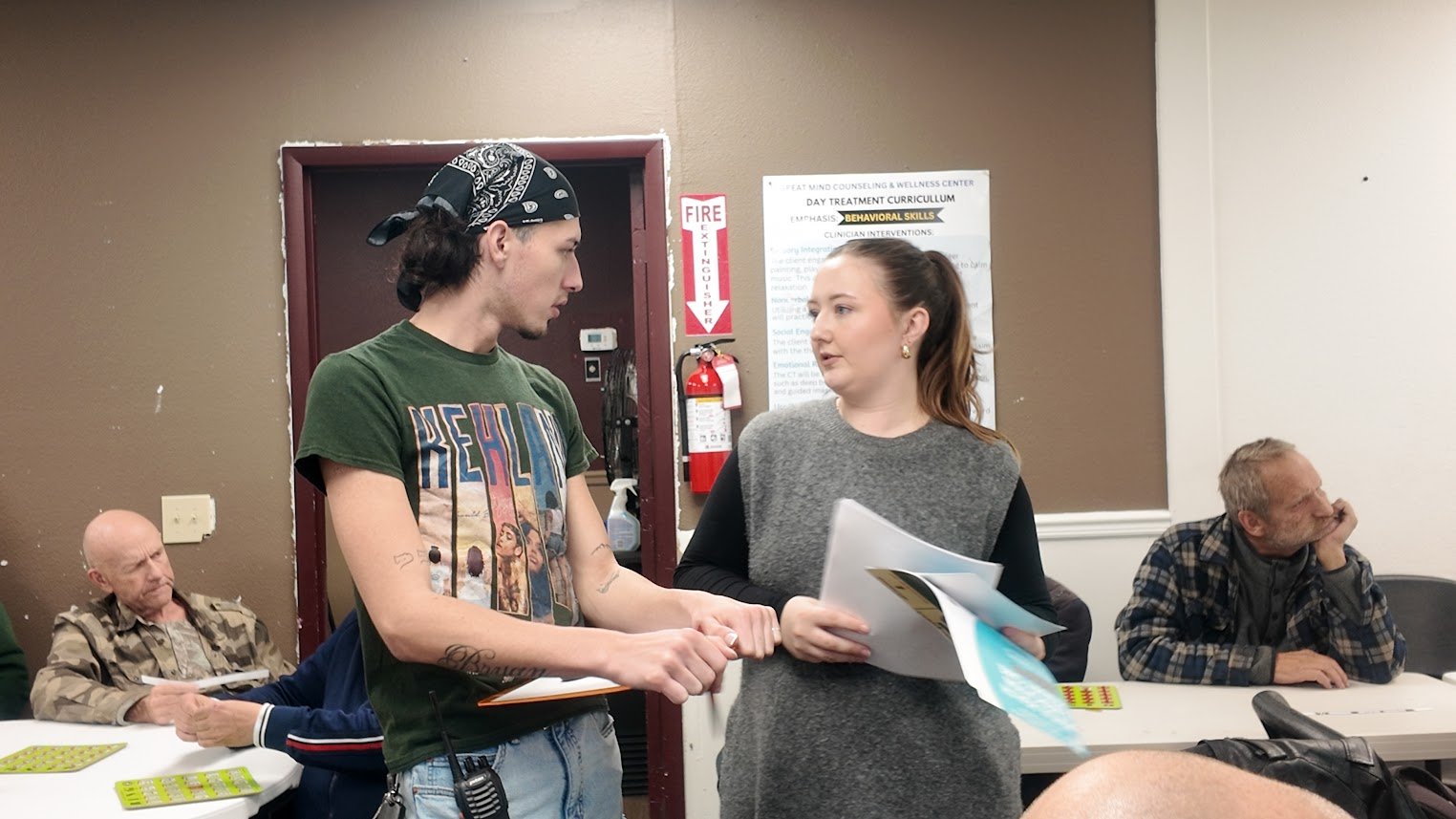
Occupational Therapy (OT) helps clients build the real-world skills needed for daily life, independence, emotional balance, and successful participation in home, school, work, and community settings. In OT, we “work on anything that occupies your time”—from emotional regulation to vocational readiness to daily routines.
Social Skills
Conversation skills and appropriate social interaction
Confidence in group settings
Practicing communication in real-life situations
Community Integration Skills
Building independence outside the home
Practicing routines and participation in the community
Learning skills needed to navigate everyday environments
Emotional Regulation
Coping strategies for stress, frustration, and overwhelm
Tools to improve self-awareness and emotional control
Using structured supports to reduce emotional escalation
Sensory Regulation
Identifying sensory needs and triggers
Developing regulation routines and sensory strategies
Using sensory supports to improve focus, calm, and participation
Environmental Modification
Creating supportive environments that reduce stressors
Adapting spaces, routines, or tools to improve success
Building structure that supports independence
Effective Communication & Coping Skills
Identifying feelings and needs
Learning replacement behaviors and coping tools
Practicing healthy responses to real situations
Activity-Based, Real-World Practice
Learning through hands-on tasks
Practicing skills that transfer into daily routines
Building confidence through repetition and support
Vocational Skills
Work readiness routines and expectations
Task completion, time management, and responsibility
Resume building and job-prep support
I/ADL Simulation
We provide structured practice for daily living skills, including:
ADLs (Activities of Daily Living): personal care routines and daily functioning skills
IADLs (Instrumental Activities of Daily Living): more complex life tasks that support independence
Store / Room Practice Area
A real-world style practice space to support:
Shopping-related skills and community routines
Task practice such as bagging and working with clients
Building comfort in structured “work-like” environments
Sensory Room and Regulation Space
A contained sensory area to support regulation
Smaller break-out options when clients need separation from stressors
Tools and space to calm, refocus, and return to activities successfully
For clients who are still building tolerance for groups, we work on:
Readiness skills before joining group settings
Small break-out groups and gradual exposure
Practicing participation while staying regulated



1600 E. Desert Inn #104
Las Vegas,Nv; 89169
T: 702-208-2194
E: info@gmwclv.com
Mon – Fri: 9am-4pm
Sat: Closed
Sun: Closed

